

Scheduling a roof replacement for your New Haven home can feel overwhelming, especially if you have never lived through one before. You might picture loud hammering, debris around the yard, and crews arriving early while you are still trying to get kids to school or log onto work. You are probably also wondering what you should move, cover, or warn your neighbors about so nothing gets damaged.
Homes in and around New Haven come with their own quirks. Many sit on narrow lots with shared driveways, mature landscaping close to the house, and older plaster walls or ceilings inside. A roof replacement touches all of that, from the way trucks pull up outside to the way vibration carries through your framing. Knowing what really happens, and how to prepare, turns a stressful unknown into a project you can manage with confidence.
At Skyway Roofing, we have been roofing homes in North Haven, New Haven, and nearby Connecticut communities for more than 35 years. Our licensed and insured team has seen how the right preparation protects interiors and landscaping, keeps neighbors happy, and helps us complete the work efficiently so your home is covered again as quickly as possible. In this guide, we share how we recommend New Haven homeowners prepare for roof replacement, based on what we see on real projects every week.
What Really Happens During a Roof Replacement on a New Haven Home
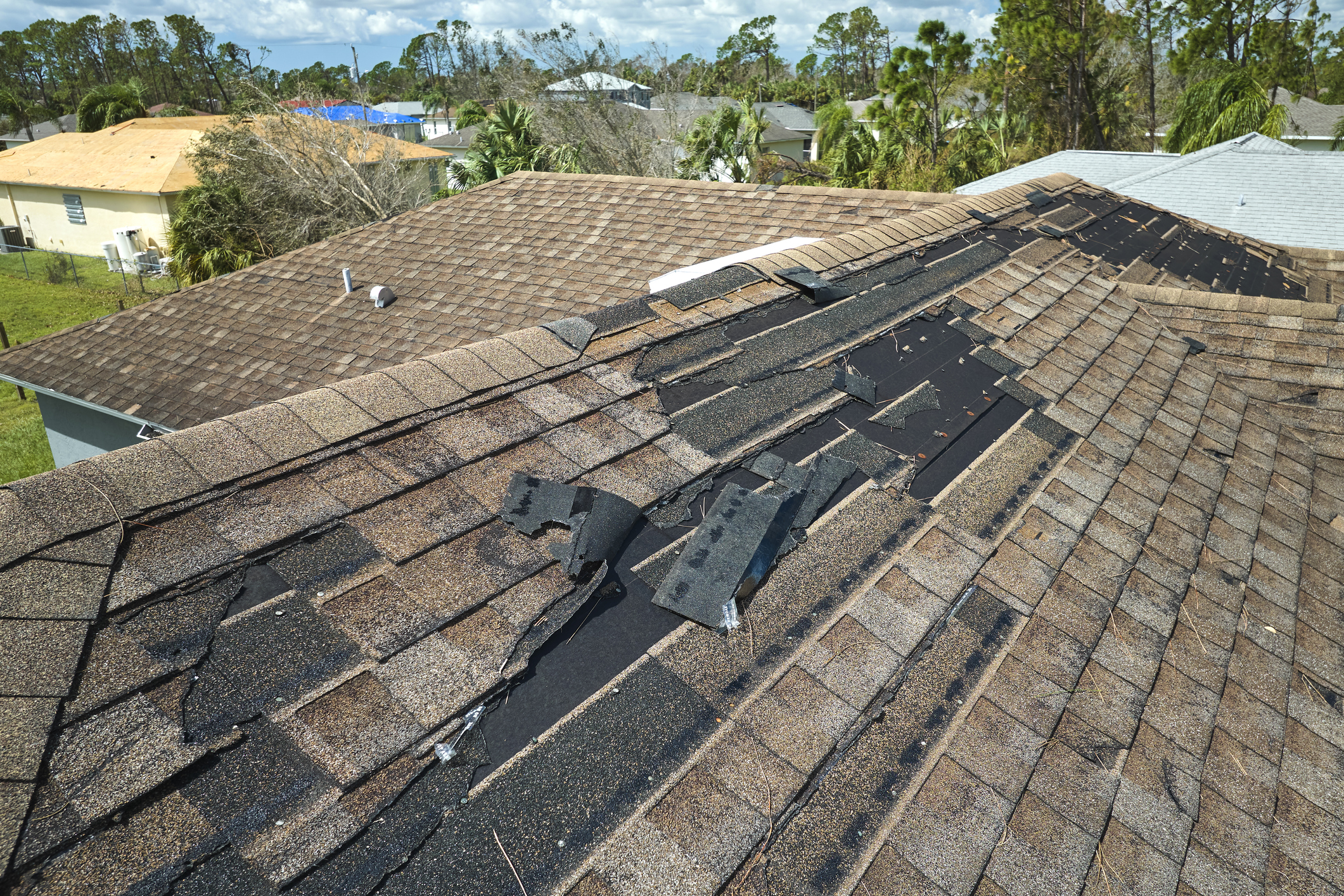
Many homeowners imagine a roof replacement as a single blur of noise. In reality, the work follows a predictable sequence, and understanding that sequence makes preparation much easier. On a typical job in the New Haven area, our crew arrives in the morning, often between 7 and 8 a.m., so we can use as much daylight as possible. We position material pallets and trailers, walk the property with you if you are home, then begin tear-off, which is when old shingles, underlayment, and flashing come off the roof.
During tear-off, you hear scraping, thudding, and the sound of debris sliding off the roof into tarped areas or trailers. Crew members move around your property to carry materials, haul debris, and set up ladders. Once the roof deck is exposed, we inspect it, repair any damaged sections as specified in your agreement, then install new underlayment, flashing, and shingles. Nailing and cutting shingles, especially on older framing, is what creates most of the vibration you feel inside the house.
New Haven homes often sit close together, which changes how this work feels compared to a wide-open suburban lot. There is usually less space to stage materials and fewer options for truck access, so the driveway and any clear side yard space become critical. Many houses in the area also have older rafters and plaster ceilings, which transmit vibration differently than newer drywall and truss systems. Knowing that this activity is concentrated over certain rooms and for specific parts of the day helps you decide what to move or protect before we arrive.
Protecting Your Interiors From Vibration, Dust, and Debris
Inside the house, the two main effects of a roof replacement are vibration and dust. When we remove old shingles and underlayment, or drive thousands of nails into new shingles and flashing, those impacts travel through the roof deck into the framing. In an older New Haven home with plaster walls and ceilings, that can cause minor shifting in anything loosely hung on the walls, especially on upper floors. Even in newer homes with drywall, frames, mirrors, and shelves can rattle if they are not firmly secured.
We usually recommend that homeowners remove or secure anything fragile from walls and shelves on the top floor and any rooms directly under the roof. That includes framed photos, mirrors, decorative plates, and items sitting on floating shelves. Moving them to a safe spot for a day or two is a simple step that reduces the chance of something falling if the vibration is stronger than expected. It is especially important in hallways or stairwells under roof valleys where foot traffic and nailing are concentrated.
Attics deserve special attention as well. During tear-off, dust and small debris that have been sitting on the underside of your roof deck for years can get shaken loose. If your attic has open joists and storage, that dust can settle on boxes, furniture, and seasonal items. Covering stored belongings with plastic sheeting or old sheets ahead of time, and moving valuables or electronics to a lower floor, keeps cleaning to a minimum later. If you have a pull-down attic staircase or hatch, clearing the area below makes it easier for us to access the space if needed.
Sometimes, small gaps around attic openings or recessed lights can let dust migrate down into living spaces. We can point out these potential paths during an inspection so you can decide whether to tape plastic over an opening for the day or simply plan for a light dusting afterward. As a licensed and insured roofing company, we handle the work overhead with care, but simple interior preparation like this prevents surprises and gives you peace of mind while crews are on the roof.
Getting Your Yard, Driveway, and Neighbors Ready
Outside the home, preparation focuses on two goals, giving the crew safe, efficient access and protecting your yard and belongings from falling debris. On most New Haven projects, we prefer to place a dumpster or trailer close to the house, often in the driveway, so old shingles and underlayment can slide directly into it. This reduces how far we need to carry debris and limits the chance of stray nails ending up in the grass or garden beds.
The night before your project, moving your vehicles to the street or a nearby spot keeps the driveway clear for this staging. If you have a shared driveway, it helps to coordinate with neighbors so no one is blocked in. Around the house, we recommend pulling grills, patio furniture, potted plants, and play equipment away from the walls by several feet. This gives us room to place protective tarps and allows debris to fall into controlled areas instead of onto your belongings.
Many New Haven homes have mature shrubs, flower beds, or small trees close to the foundation. While we use tarps and plywood in key areas, you can help by pointing out any plants that are especially important to you. Marking them with flags or simply walking them with our foreman on day one lets us adjust where we drop shingles and where we place protection. Covering air conditioning condensers with breathable protection, or asking us to do so, is another smart step since shingles and nails can bounce off metal housings during tear-off.
Because homes here often sit close together, it is considerate and practical to give neighbors a heads up a few days before the project. Let them know the dates, likely hours of noise, and that there will be trucks and possibly a dumpster in the area. This small step reduces tension about parking and noise, especially on narrow streets where everyone competes for curb space. Our crews have worked on many blocks like this, and we can suggest the best days and times to stage materials so the impact on your street is as small as possible.
Coordinating Access, Parking, and Safety on Tight New Haven Streets
Access and parking are not just conveniences during roof replacement; they directly affect how safely and efficiently the work can be done. In many New Haven neighborhoods, streets are narrow, on-street parking is packed, and driveways are short or shared. Our trucks, trailers, and material deliveries need room to maneuver, and the closer we can get to your home, the less time your roof deck spends exposed during tear-off.
We typically plan for at least one truck with a trailer or dumpster and sometimes a separate delivery for shingles and underlayment. Giving us a clear driveway allows materials to be loaded and debris to be removed with minimal carrying distance. If vehicles remain in the driveway, we may have to stage farther away, which increases the time it takes to clear each section of roof and may require more foot traffic across your lawn or walkways.
On tight streets, it helps to think about parking a day or two ahead. Talk with neighbors about leaving extra space near your driveway entrance or along the section of curb where a truck needs to park. If you have regular deliveries, such as grocery drop-offs or medical supplies, consider shifting them to another day or confirming an alternate location. These small adjustments reduce congestion and let our crew focus on your roof instead of logistics.
Safety zones are another part of access planning. There will be times when shingles, nails, and small pieces of wood come off the roof and into designated drop areas. We mark these areas with cones, caution tape, or clear instructions and ask that family members, visitors, and delivery drivers avoid them until we give the all clear. With more than 35 years of working on North Haven and New Haven streets, we have learned how to balance this safety with neighborhood realities, and your help in guiding traffic and family movement goes a long way.
How We Partner With You for a Smooth Roof Replacement
Home preparation does not have to be guesswork. When you work with Skyway Roofing, we walk through these steps with you instead of handing you a vague checklist. During your initial inspection or proposal visit, we look at your specific home layout, driveway, landscaping, and interior conditions like attic access and upper floor rooms. That lets us point out particular areas to focus on, such as a tight side yard that will become a debris zone or a finished attic where dust protection makes sense.
A few days before your roof replacement, we confirm timing, access needs, and any special concerns you have about kids, pets, or neighbors. On the first morning of the job, our foreman can do a quick walk-around with you to verify where trucks and trailers will sit, which doors and gates we will use, and where safety zones will be marked. Clear communication at this stage makes the rest of the day feel much more predictable.
Our commitment to preparation connects directly to how we stand behind our work. With more than 35 years in the roofing industry, full licensing and insurance, and a 10 year labor warranty, we focus on installing roofs that perform well in Connecticut’s climate for the long term. Careful planning with you helps us meet that standard, protects your home while we work, and reduces the stress of having a crew on your property.
Plan Your New Haven Roof Replacement With Confidence
A roof replacement will always bring some noise, dust, and disruption, but thoughtful preparation can keep that impact under control and protect the spaces and people you care about most. By understanding what actually happens during the work and taking a few targeted steps inside and outside your home, you give our crew the access and conditions they need to install a durable roof that stands up to New Haven weather.
If you are planning a roof replacement or just starting to gather information, we can walk you through a preparation plan tailored to your home, your street, and your schedule. Contact Skyway Roofing to schedule an inspection or discuss your upcoming project, and we will help you get every detail in place before the first shingle comes off.