

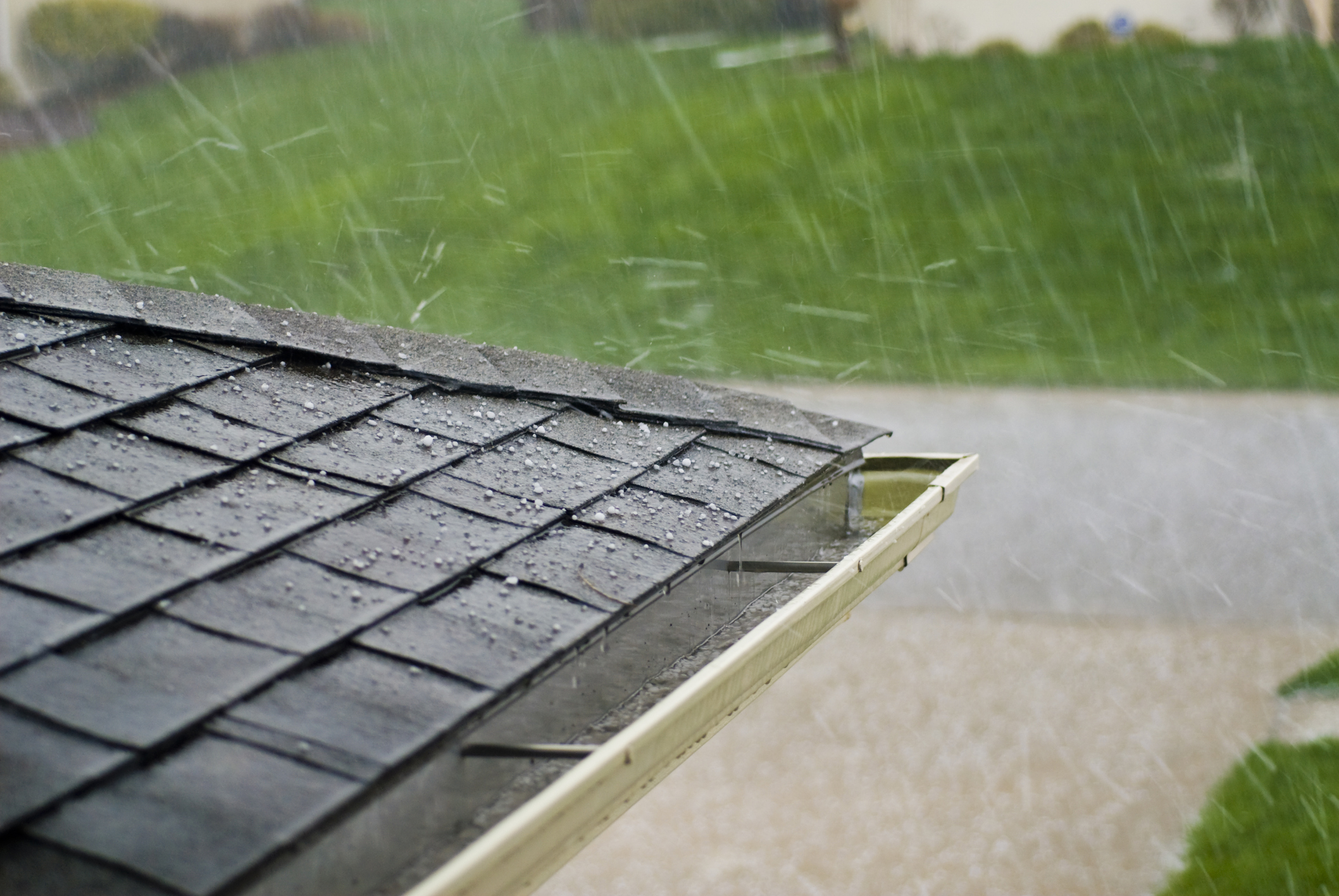
Your roof might be telling you it is almost done, but figuring out the right time to replace it in New Haven weather can feel like a guessing game. You might see curling shingles, grit in the gutters, or a stain on the ceiling and wonder if you should act now or wait for a “better” season. At the same time, you do not want weather delays, water getting into your home, or a rushed job done in poor conditions.
In southern Connecticut, timing is tied directly to our climate. Cold snaps, Nor’easters, spring downpours, humid heat waves, and crisp fall days all affect how roofing materials behave and how safely and efficiently a crew can work. Planning your project around these patterns can mean fewer surprises, stronger installation, and better long-term performance from your new roof.
At Skyway Roofing, we have spent more than 35 years roofing homes and businesses in North Haven, New Haven, and surrounding towns. Our licensed and insured team works with premium systems from manufacturers like GAF, Owens Corning, and CertainTeed, and every year we see how roofs installed in the right weather conditions age differently than those rushed in the wrong window. In this guide, we walk through how local weather affects roof replacement timing in New Haven so you can plan with confidence.
Why Weather Matters for Roof Replacement Timing in New Haven
Roof replacement is not just a matter of picking a date on a calendar. Every part of the job, from tearing off old shingles to fastening new ones and letting them seal, is affected by temperature and moisture. Asphalt shingles, the most common roof type in New Haven, have a flexible base and adhesive strips that are designed to bond to the shingle below. That bond helps lock the system together. In cold weather, shingles can stiffen and those strips can take much longer to activate. In very hot weather, they can get overly soft and tricky to handle.
The roof deck, usually made of wood sheathing, also needs attention. Before we install underlayment and shingles, that decking should be dry and solid. If snow, ice, or heavy rain has soaked the deck, moisture can get trapped under the new roof. Over time, that trapped moisture can lead to swelling, warping, or rot. That is why we pay close attention to what the weather has done in the days before a project, not just the forecast on the actual start date.
It also helps to separate workable weather from ideal weather. A crew can often work in a wider range of conditions than what is best for your roof’s long-term performance. For example, we can physically be on a roof on a cold, sunny winter day, but shingles may not seal as predictably as they will in milder temperatures. On the other hand, a quick passing shower might not derail a project if the deck is protected and we time our tear-off carefully. Our goal is to schedule your roof replacement not just for the days when we can get on the roof, but for the window that gives your new system the best start possible in New Haven’s climate.
After decades working through New England winters, springs, summers, and falls, we have seen patterns repeat. Roofs that went on during very cold or very wet stretches often show certain issues earlier, while roofs installed in stable, moderate weather typically perform more predictably. That real-world experience is a big part of why we talk about timing during every replacement consultation.
Winter Roof Replacement in New Haven: When It Works and When It Does Not
Winter is the season most homeowners worry about for roof work, and with good reason. Cold temperatures can make shingles more brittle, so they are easier to crack when handled or nailed. Sealant strips that help lock shingles together rely on warmth over time to bond. When we install in colder conditions, those bonds may take longer to fully form. Snow and ice add another layer of complexity, since we may need to clear the roof before we can even assess the deck properly.
There are, however, situations where winter replacement is still the right call. If a roof is actively leaking, sagging, or failing in a way that threatens the interior of the home or its structure, waiting for spring or fall can cause more damage than it prevents. In those cases, we look for cold but clear days, aim for stretches without heavy snow or rain in the forecast, and may break the work into smaller sections so that the home is always protected by the end of each day.
When we do need to replace a roof in winter, we take extra precautions. That can include using proper staging and safety measures on potentially icy surfaces, planning tear-off for the warmest part of the day, and having underlayment and tarps ready before a single shingle comes off. We keep the amount of exposed decking as small as practical so that, if weather shifts unexpectedly, we can cover the area quickly and securely. These steps help control risk, but they do not change how cold affects material behavior, which is why we carefully weigh every winter replacement.
Spring Roof Replacement: Balancing Rainy Days and Early Demand
Spring feels like a fresh start, and many New Haven homeowners see it as a natural time to tackle big projects. Temperatures usually start climbing out of winter lows, and snow gives way to rain. Those warmer days are friendlier to roofing materials. Shingles are more flexible and easier to install without damage, and the adhesive strips begin to activate more predictably as the season progresses. At the same time, spring rain is a constant consideration.
Rain affects more than just whether we can work on a given day. If a roof deck has been soaked by days of steady rain, it needs time to dry out before we can confidently install underlayment and shingles. Installing over damp decking can trap moisture and create long-term problems. We also watch the forecast closely when planning tear-offs. We avoid stripping a large area if storms are likely, so we do not leave your home exposed to sudden downpours.
Spring is also when many homeowners call after discovering winter-related damage. Ice dams, heavy snow, and freeze-thaw cycles can reveal weak spots. That creates a surge in inspection and replacement requests. Because of that, spring schedules in the New Haven area can fill faster than some people expect. Booking early, even in late winter, helps secure a spot in the window you prefer.
Over our many years in North Haven and nearby towns, we have refined how we plan spring projects. We often build some flexibility into the schedule, knowing that a rainy week might push a job back a few days for your protection. We also use spring inspections to help homeowners decide whether they should aim for a late spring replacement or wait until fall. That kind of planning helps you avoid last-minute choices driven purely by the weather.
Summer Roof Replacement: Heat, Storms, and Busy Schedules
Many people assume summer is always the best time to replace a roof. In some ways, summer is very favorable. Longer daylight hours give crews more workable time each day. Temperatures are generally warm enough for shingles to be flexible and for sealant strips to bond steadily. Homeowners often like having roofing work done while school is out or before fall routines return.
Summer, however, also brings its own challenges. On a hot, sunny day, the surface of a roof can become significantly hotter than the air temperature. That heat can make shingles softer and more difficult to handle neatly. It can also be hard on crews, which is why we plan work hours carefully, pay attention to hydration and breaks, and sometimes start earlier in the day to avoid peak heat. Sudden thunderstorms are another factor. A clear morning can turn into an afternoon downpour, which affects how we plan tear-off and staging.
Scheduling is another piece of the summer puzzle. Because summer is popular, our calendar often fills weeks or even months in advance. If you want a summer replacement in the New Haven area, it usually pays to schedule your inspection and estimate well before the season starts. That way, we can help you choose a stretch of time that is likely to work for you and for the roof, rather than squeezing your project into a crowded schedule.
With our commitment to craftsmanship and safety, we do not rush through a job just to fit more work into hot weather. We pace the crew and adjust start times so that the quality of the installation stays high, even when the temperatures rise. Our goal is a roof that performs for years, not a project that just gets marked completed on a busy summer calendar.
Why Many New Haven Homeowners Prefer Fall for Roof Replacement
Fall often brings some of the best conditions for roof replacement in our area. After the heat and storms of summer, temperatures usually settle into a cooler, more comfortable range for both crews and materials. Shingles tend to handle well in this weather, staying flexible without becoming too soft, and the sealant strips benefit from moderate days and relatively mild nights.
Weather patterns in fall are often more stable than in early spring. While storms can happen in any season, many years bring longer dry spells in September and October. Those stretches make scheduling more predictable and reduce the chances of weather interruptions in the middle of your project. For homeowners, that often translates into shorter project durations and less disruption.
Another reason many New Haven homeowners choose fall is preparation. Having a new roof in place before winter gives peace of mind. You head into snow and ice season knowing your shingles, flashing, and underlayment are fresh and properly installed. Because of that, fall is one of the first seasons to book up for roof replacements in our schedule.
We have seen many strong, long-lasting roofs installed in fall conditions across North Haven and nearby communities. When homeowners have the flexibility to choose, we often suggest targeting fall. That does not mean fall is the only good option, but it often offers an excellent balance of favorable temperatures, stable weather, and readiness for the cold months ahead.
How Skyway Roofing Handles Weather During Your Roof Replacement
Even with careful planning, New Haven and North Haven weather can change quickly. Our job is to manage that risk so your home stays protected. Before a project starts, we review short-term and medium-term forecasts. If a strong storm system is expected, we may adjust the start date so we are not tearing off your old roof right before heavy rain or wind moves in. Certain conditions, such as steady, soaking rain or a mix of freezing rain and snow, are clear no-go situations for starting tear-off.
Once work is underway, we control how much of the roof we open at any one time based on that day’s forecast and the time we expect to complete each phase. We make sure underlayment, tarps, and other protection materials are on site and ready, so that by the end of each workday, your home is covered. If a surprise shower pops up, we have what we need to secure the area quickly. This approach keeps your interior safe even when New England weather is unpredictable.
Communication is another piece of handling weather well. If forecasts shift and we believe a schedule change is in your best interest, we reach out to explain what we are seeing and how it affects your project. That way you are not guessing why a start date moved or why crews are adjusting their plan. We want you to understand that these decisions are about protecting your home and the quality of your roof, not about convenience for our schedule.
Our 10-year labor warranty is part of why we are so careful about weather-related choices. We intend to stand behind our workmanship long after the last shingle is nailed. As a family-owned, community-focused roofing company, our name and relationships in North Haven and surrounding towns matter to us. That is why we sometimes decide to wait a day or two for better conditions instead of forcing a job into a risky weather window.
Plan Your Roof Replacement Timing in New Haven With Confidence
You cannot control when a winter storm rolls through or when a summer storm pops up over Long Island Sound, but you can control how you plan around New Haven’s seasons. By understanding how temperature, moisture, and demand affect roof replacement timing, you can choose a window that fits your roof’s condition, your schedule, and the kind of installation you want protecting your home for years to come.
Call (800) 463-7490 to schedule a roof inspection and discuss the best timing for your roof replacement in the New Haven area.